Self-service taps arriving in WV
May 21, 2026
It wasn’t long ago that West Virginia alcohol laws would not allow a taproom, bar, restaurant, or alcohol retailer to operate self-service beer or wine dispensing systems. All beer or wine delivered to a customer had to be dispensed by an employee (bartender, server, etc.) of the licensee. That has changed.
West Virginia now allows beer, cider, and wine—in limited amounts—to be offered through automated self-serve systems at duly licensed establishments. During its 2025 regular session, the WV Legislature adopted the enabling legislation, and later in the year the WVABCA authorized self-pour systems by issuing regulations.
Now, we are beginning to see some restaurants and retailers offer self-service systems, where customers may pour wine or beer into their own glasses from a dispensing device.
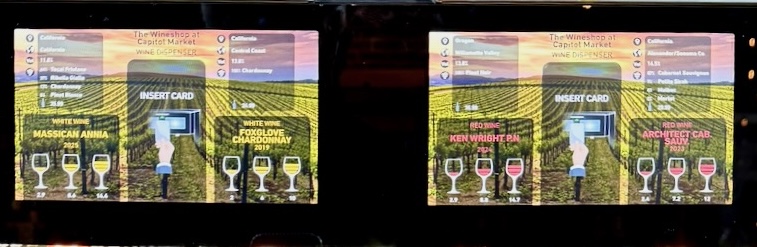
In recent weeks the Wine Shop at Capitol Market in Charleston began offering a self-serve wine dispensing system allowing customers to pour their own wine samples. Last fall, owners of Berkeley Springs Brewing opened Crust Pizza Bistro that had the state’s first installation of self-service beer taps.
Wine dispensers have long history
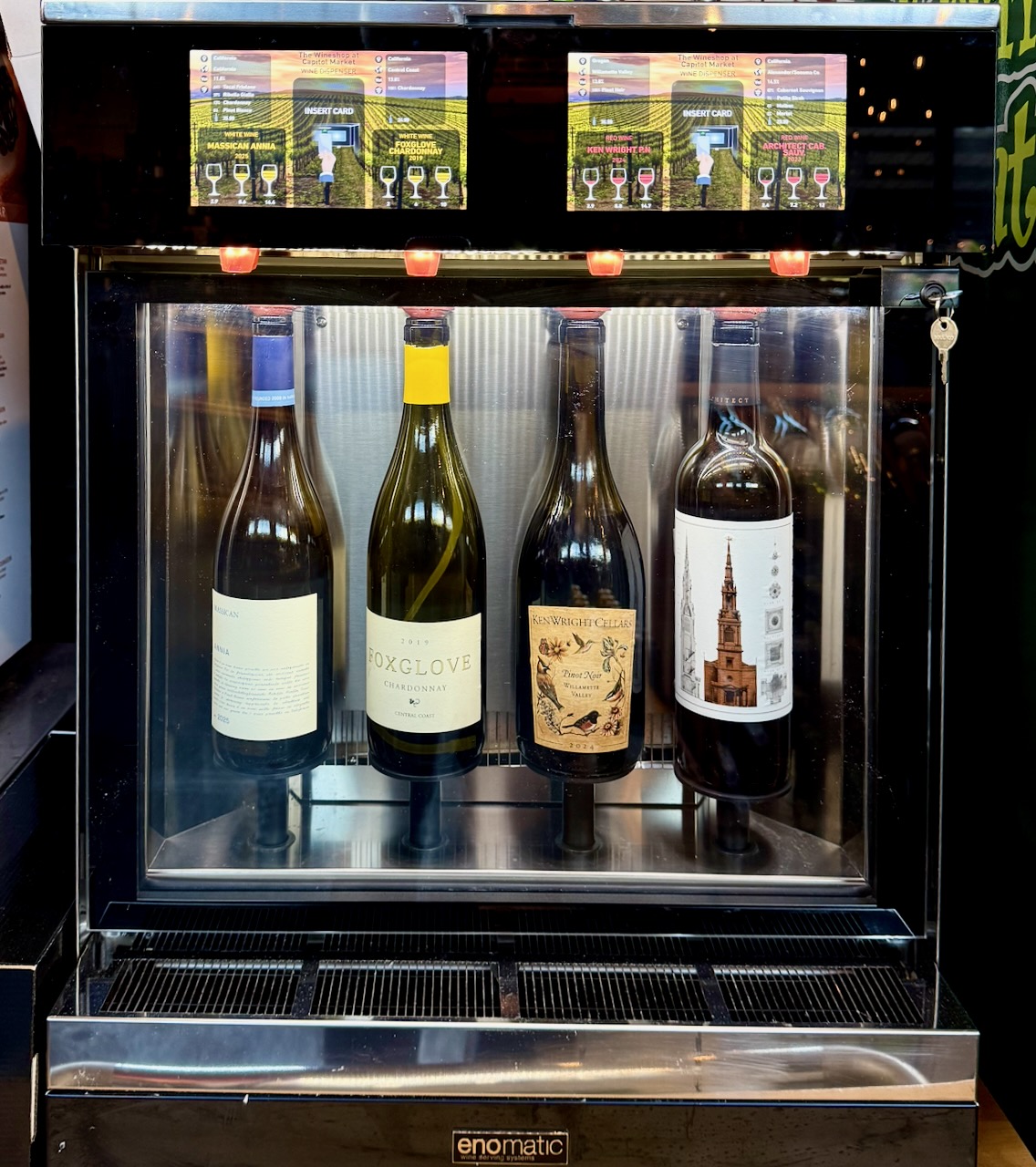
Beginning in back in the late 1970s, modern, automated wine dispensers gained popularity with a brand called Cruvinet. These Cruvinet units were the original wine pouring devices used for preserving, dispensing, and merchandising wine by the glass. Cruvinet units are typically not self-serve devices but are located behind the bar where they are staffed by restaurant/bar employees. These Cruvinets proved the technology and remain popular at wine-focused restaurants today.
In following years, other wine dispenser manufacturers joined in, marketing units that allowed them to operate as self-service wine sales units. These units mostly use debit card-type technology, where customers preload a special wine debit card, then scan the card at the dispensing unit. Once the card is scanned, the customer uses a screen on the device to select the type and amount of wine desired. Then, the customer puts their glass under the spigot and the unit dispenses the amount of wine purchased.
Self-serve beer taps also available
Similar to the wine dispensing technology, beer equipment manufacturers have developed self-serve taps. They’ve been legal in some states for many years, but seem to have found fairly limited traction for beer dispensing. Still, there are several restaurant chains that offer this technology as a feature to attract customers. A good example is the Tapville Social operation that opened a place in Pittsburgh’s Strip District last year. It is a contemporary embodiment of self-dispensing technology combined with a modern food and beverage concept. (Tapville web link)
At Crust Pizza Bistro in Berkeley Springs, WV, the owners were attracted to the operational advantages of their iPourIt tap system. Customers pre-authorize a special beer tap card, provided by the restaurant, by tying it to their own credit card. They then use this tap card to purchase a limited number of beer pours from the self-serve beer dispensing taps. The pre-authorization process also allows the restaurant to check IDs to assure that the user is of legal age.
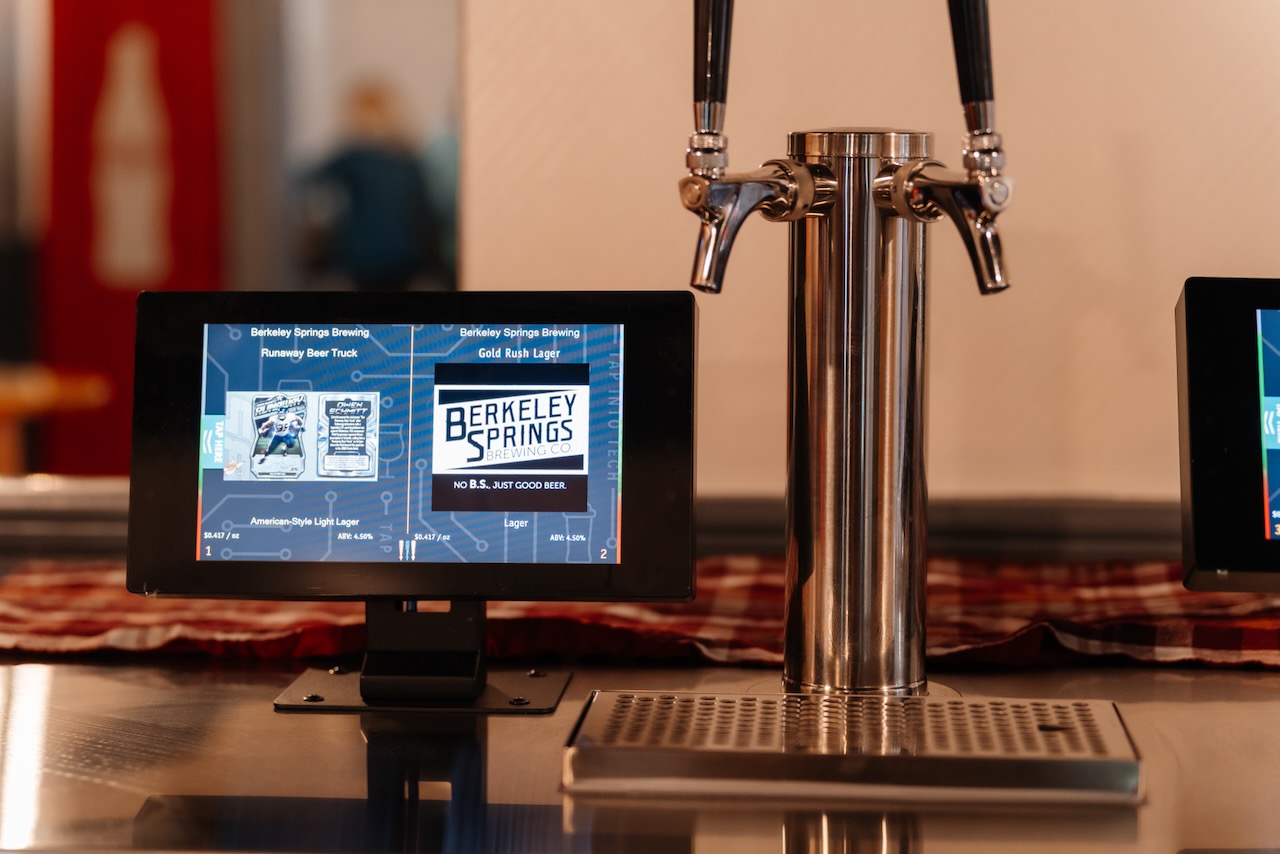
According to the iPourIt company, which is a leading provider of self-serve beer tap systems, the system offers several benefits to the restaurant operator. Beyond over-serving protections, it gives greater control over pour sizes and reduces beer waste. This creates more revenue for the restaurant. The software that controls the iPourIt system also produces many detailed reports, which give restaurant operators the data they need to make smart decisions on their overall draft beer service.
Systems not without drawbacks
We’re told that drawbacks of self-service systems can include the high initial cost, issues with system reliability, and regular maintenance requirements. If the system goes down, the licensee loses alcohol sales. Repair services can be expensive and are commonly not available locally. The systems also require regular cleaning and maintenance procedures that can’t be skipped. The extra upfront cost to purchase the self-serve dispensing systems is a deterrent to many bars and retailers. These drawbacks are likely why the systems have not caught on more in past years. Hopefully over time, with technology and operational advances and more experience building the devices, their affordability, convenience, and reliability will advance.
Links to Beverage Dispenser Systems
About author:-