
Crash, repair, make beer again
October 15, 2025
I said to Ross, “Running a brewery when the boiler is down has to be a big problem.”
He fired back: “Well, it’s damn near impossible.”
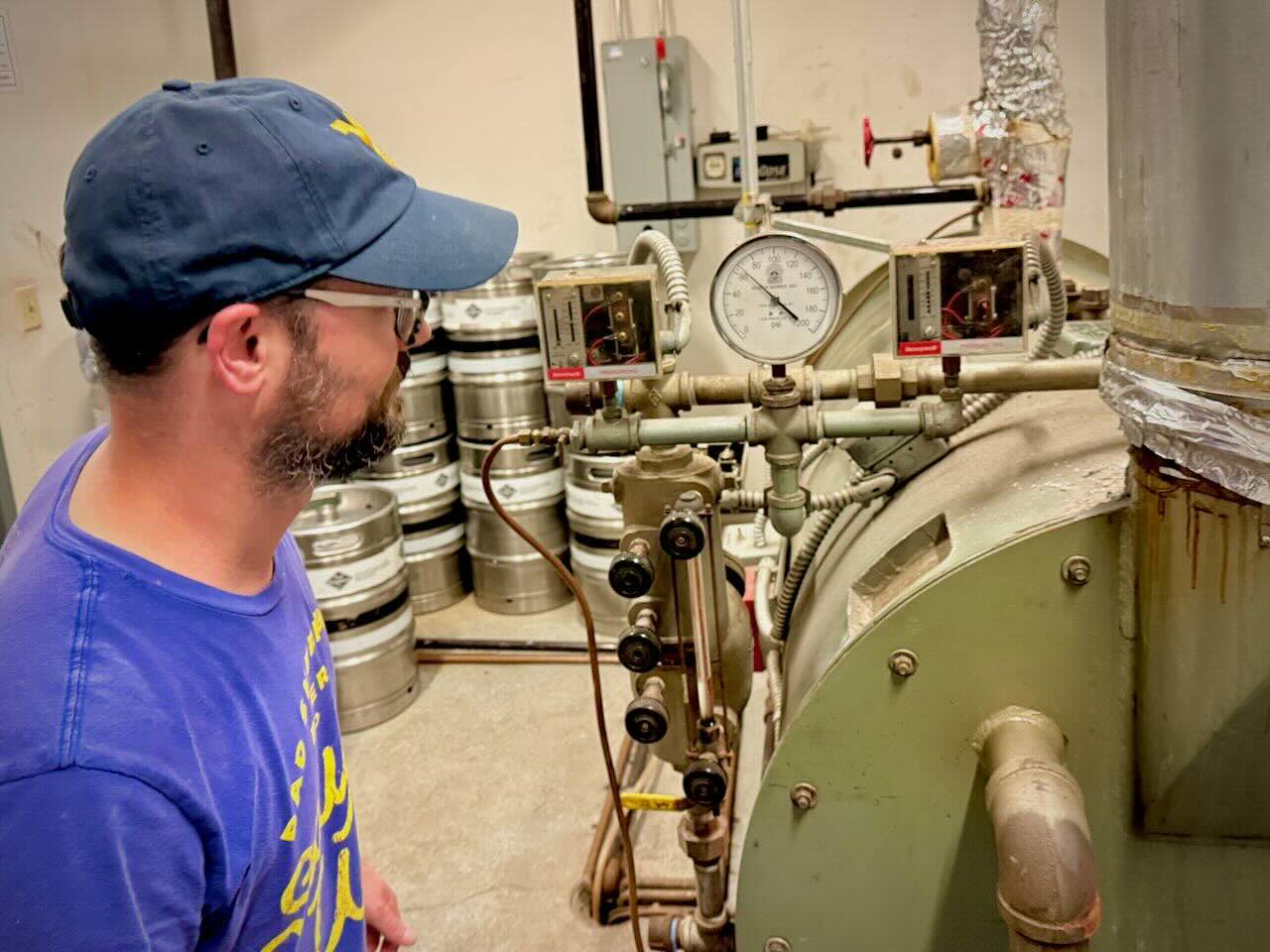
Ross Williams heads the brewing at Bad Shepherd Beer Co. in Charleston, WV. It’s a brewery that uses steam power to handle heating its water and boiling its wort. If the boiler goes down, production abruptly comes to a halt.
That’s exactly what happened in early August.
What shuts down a boiler
Ross explains that it’s very evident when you have a problem with the boiler. With Bad Shepherd’s boiler having been installed over 10 years ago, breakdowns can happen. Even a pinhole-sized leak inside the boiler creates a problem that has to be addressed immediately.
However, even with the potential for boiler problems, boilers are all around in commerce today.
They’re in laundries, manufacturing facilities, food processing, healthcare, and industrial businesses. They provide steam or hot water for heating, cooking, sterilization, and other essential processes. They are safe and efficient.
You just don’t normally see them in bars and restaurants.
The ones used in small breweries are relatively small boilers, but they are essential for making the steam that heats the brewing mash water and producing the steam that boils the wort. And as Ross told me, boilers also provide the hot water he uses for cleaning and sanitizing equipment.
Ross says steam is especially good with a brewery’s cleaning and sanitation regimen because, “It has the advantage of sanitizing tanks, lines, pipes and equipment without using harsh chemicals.”
Steam’s use in brewing
In his 250 gallon kettle, the 350 degree steam quickly and efficiently gets the liquid wort up to boiling temperature.
A number of other WV breweries also use steam brewing systems, however, most breweries probably use direct-fired kettles, in which a gas flame directly heats the steel kettle.
Ross feels that steam gives a tighter control over the heating of water and liquids for mashing and boiling. That tighter control produces consistent brewing results, he says.
While it may give more consistent and controllable results, there’s a trade off. Equipment for steam powered breweries is more expensive than direct fired breweries to purchase and install. And part of that expense can also come in repair costs, if boiler problems occur.
When the Bad Shepherd boiler went down in early August, it was taken out of service for a few weeks. A repair team inspected it, ordered parts, and made repairs, in part, by installing new internal steel tubing.
Ross got it fired back up in second week of September, brewed on it for one week, then turned off the system. When he fired it back up in a couple of days, new steam leaks were detected. Very small pin hole leaks inside the boiler made it unusable again.
He had to get the repair company back, order more parts, and get them installed. Before he was able to restart brewing, it was October 7.
With the back-to-back shut downs, Ross lost a total of about 6 weeks of brewing time. Of course, he got way behind on his brewing. Taps began to go dry.
“I normally brew two or three 250 gallon batches a week,“ he says.
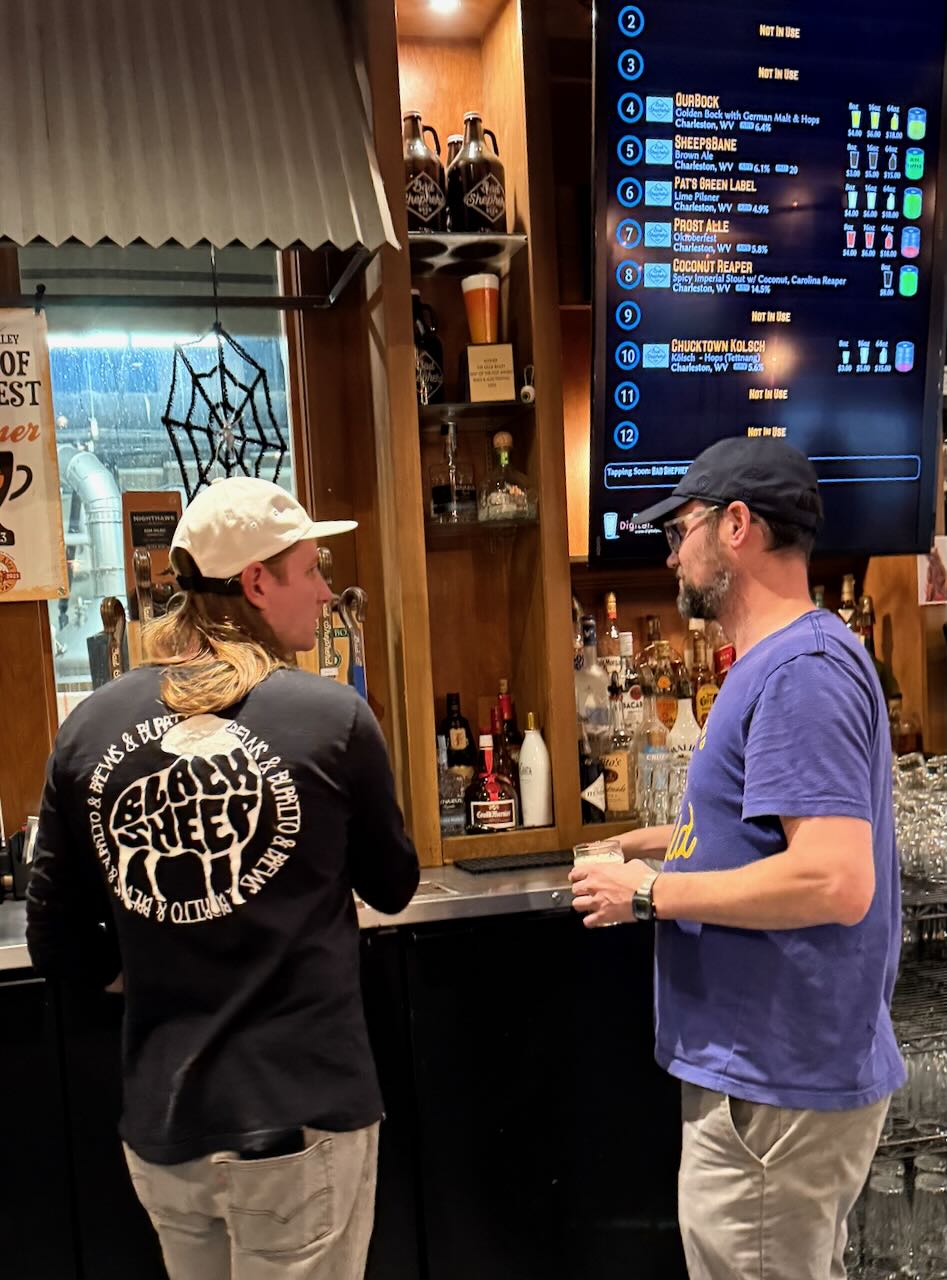
You can see that shut downs have a big cost in lost sales. Ross not only supplies the brewery’s own taps and the brewery owner’s three other restaurants and bars, but he also normally sells two or three batches of beer (500 to 750 gallons) a week to outside accounts.
Lost sales are lost profits. And sometimes being out of kegs to sell means you lose a tap handle that can be hard to recapture. Small business seems to never be easy.
During the shutdown, Ross was not a happy camper. He did find ways to pass the time. He says he got a lot of maintenance stuff taken care of—stuff that often goes by the wayside when he’s busy brewing. Things like little plumbing and electrical projects around the brewery. He also deep-cleaned the grain mill.
Getting back to normal
Since the re-start, Ross has been brewing constantly in order to fill all the empty tanks. He’s processing and kegging beer as fast as possible.
This week he already got a batch of Kölsch and their flagship Loud IPA back on tap (the Loud sold out almost instantly, more will be ready early next week), The popular Electric Petting Zoo IPA will hit Thursday this week. A Weizenbock and Krista Dawn Blonde, additional IPAs, and Coconut Turnpike are all coming soon.
Things are slowly returning to normal. It can easily take a month to get the backlog out of the way. Ross says that fortunately, his Prost Alle Oktoberfest Bier had already been brewed before the problems arose, so he’s had plenty of beer for the month of celebration.
Wouldn’t have it any other way
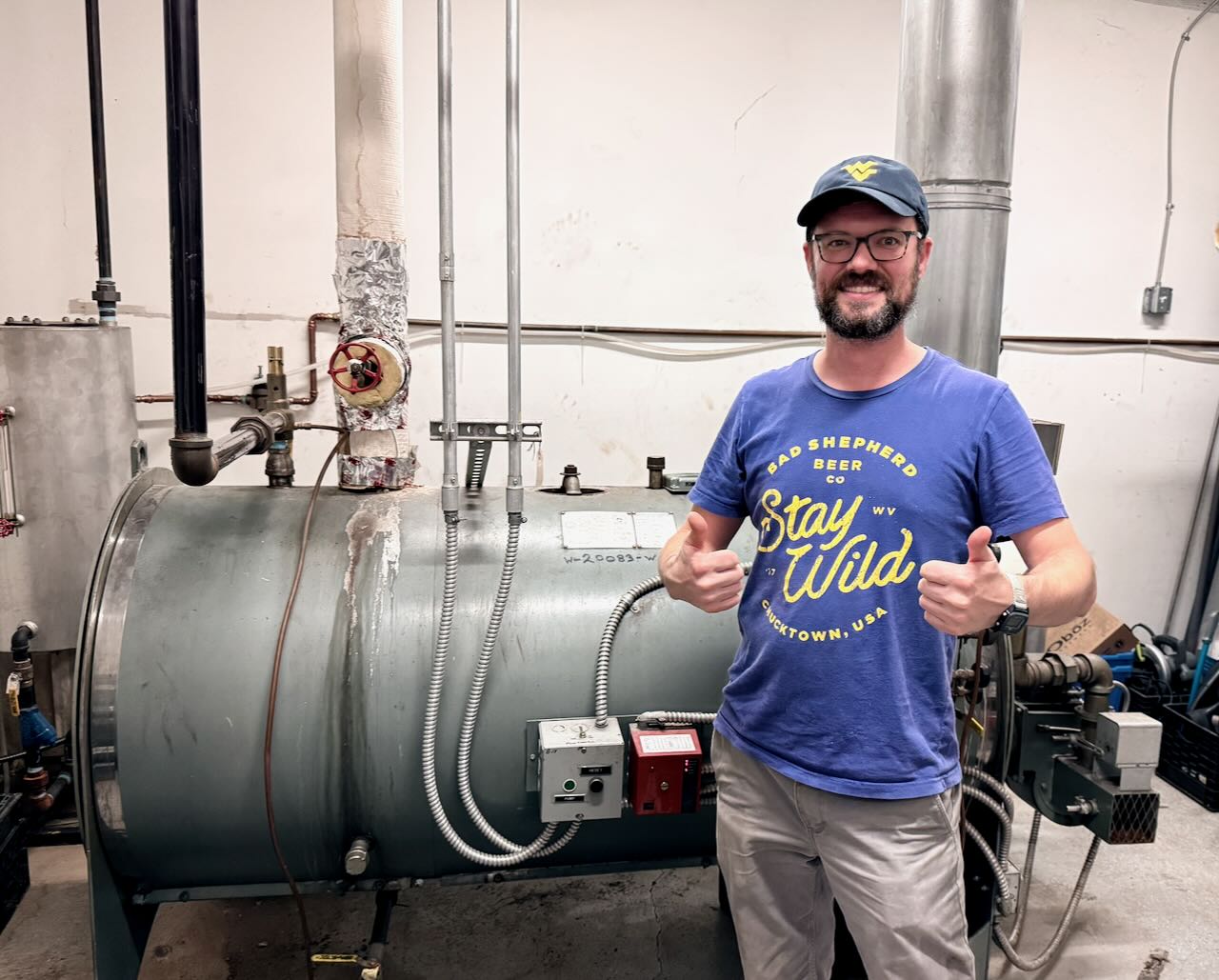
Even with the repair difficulties, Ross says about his equipment, “I would not change a thing about that.” I can understand what he means. Bad Shepherd’s brewing system does make beautiful beer.
Moving ahead, Ross says he is looking into some little modifications and hacks that could help lengthen the lifetimes for his boiler equipment.
The fact is, any good brewer is always a problem solver. It’s a brewer’s life, you know. Keeping up with the normal wear and tear. Pump motors; wiring; rubber seals, gaskets, and hoses. Maintenance on the glycol chiller and the boiler. Grain, yeast, and hop orders. Packaging and planning. Cleaning, scrubbing, and sanitizing….and cleaning some more. It never ends.
I’m so glad that brewers like Ross Willians thrive on these challenges. Where would we beer lovers be without them?
And also I’m very happy to see beer again following at Bad Shepherd Beer Co. (and their bank deposits flowing too). Stop by and purchase a pint of two and welcome them back from the difficulties. It’s been a rough couple months.
What’s the next question
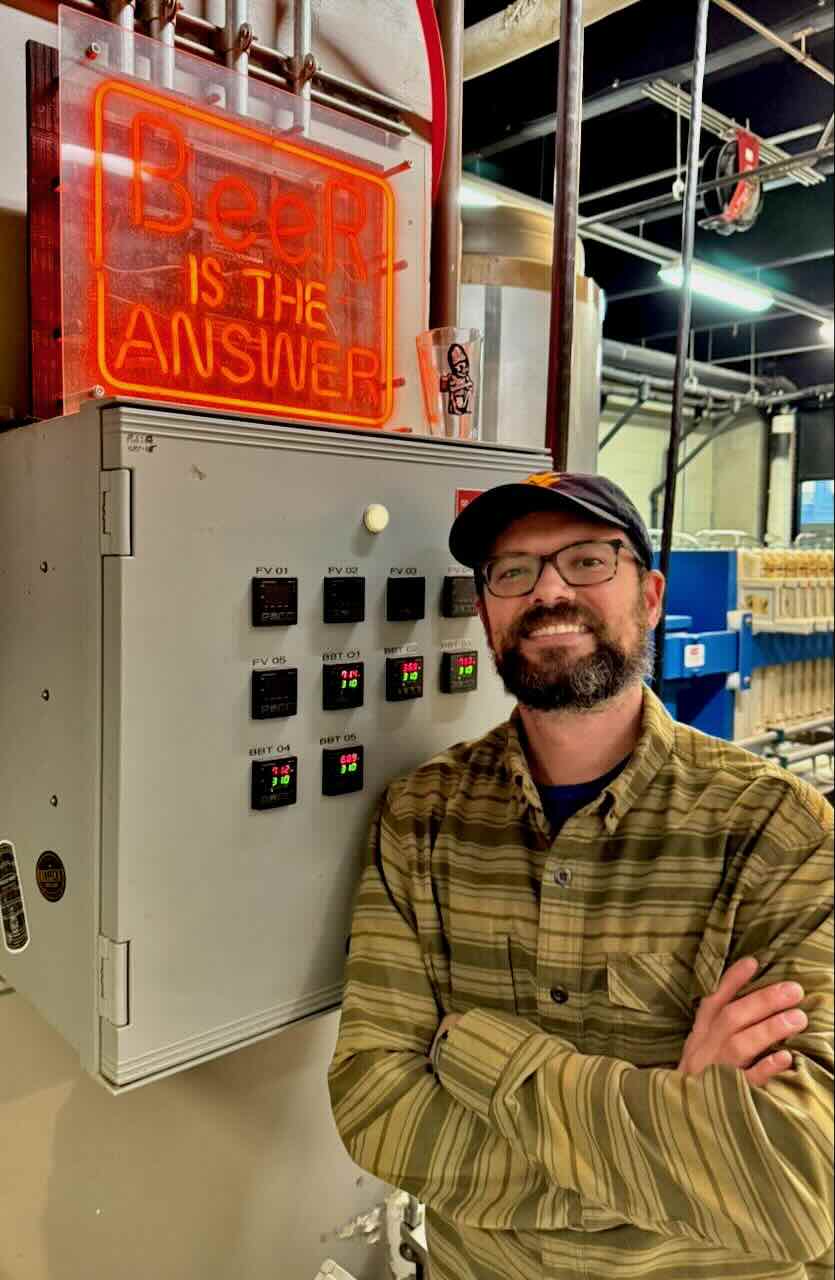
About author:-